When children don't have the words, they often find another way to express themselves.
Research shows that play is one of the most natural and effective ways for young children to express and make sense of their experiences, especially before language fully develops.
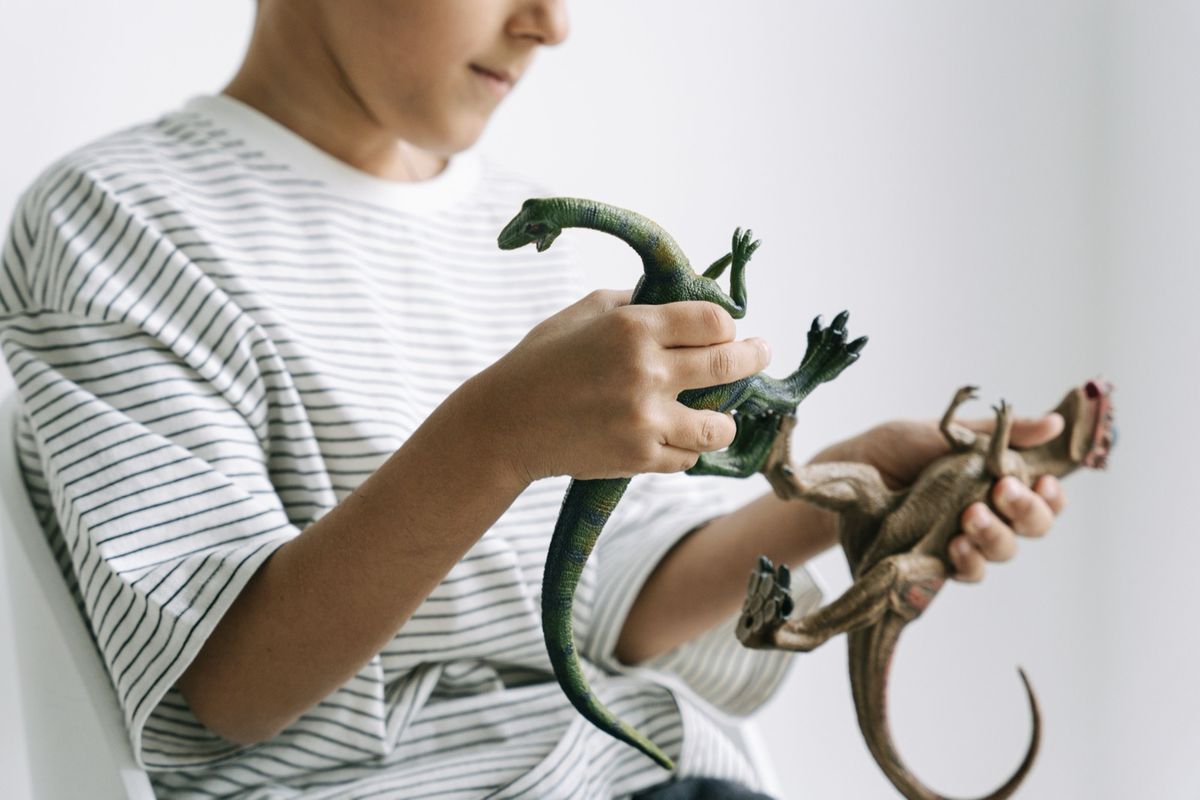
"My child becomes upset easily, but struggles to explain why."
"My child keeps feelings inside and doesn't know how to talk about them."
"I want to understand my child better, but I don't always know how to reach them."
Children do not always communicate through words.
When feelings are big, confusing, or hard to put into words, children often find their own ways to express what is happening inside. They may become quiet, show strong emotions, or use play and imagination to communicate their thoughts and feelings.
In the playroom, children have the freedom to explore, create, and express themselves in ways that feel natural and comfortable. While Play Therapy may look like play, it is a meaningful therapeutic approach where play becomes a child's way of communicating. Through play, I can better understand children's experiences, support emotional expression, and help them develop confidence and emotional skills.
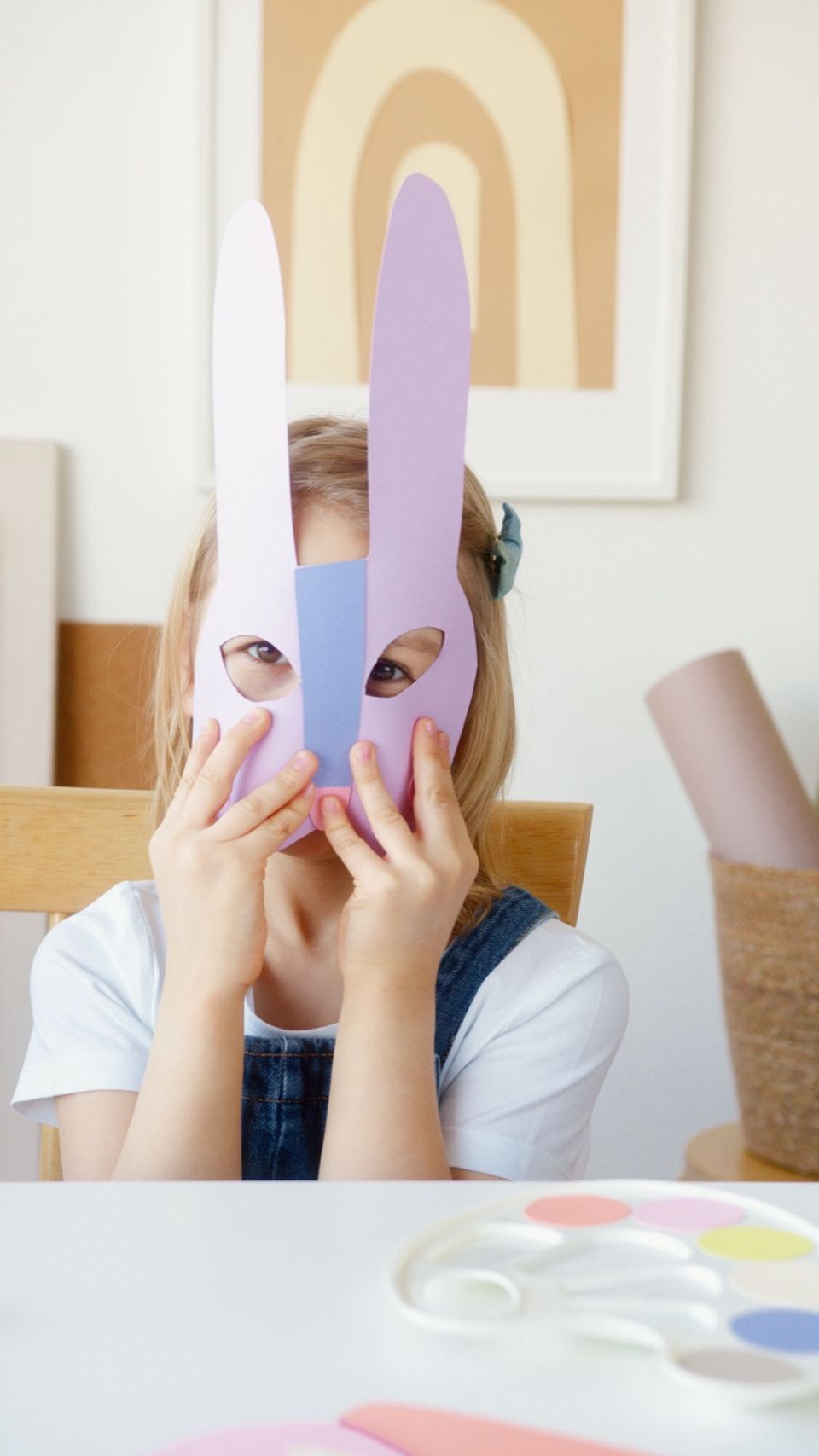
Play Therapy may be helpful for children who struggle with...
My role is not to change who children are.
It's to help them navigate the challenges that keep them stuck.
I begin by building trust and creating a relationship where children feel accepted and understood. Through child-led play, reflection, creative expression, and gentle guidance, I support children in exploring emotions and developing new ways to respond to challenges.
What happens during Play Therapy?
Explore
Children choose toys, art materials, storytelling, or creative activities.
Express
Children communicate feelings through their own way of playing.
Connect
I help children feel understood and support them in discovering new possibilities.
Skills
Children practice responding to emotions and approaching challenges with new skills.
What children may develop.
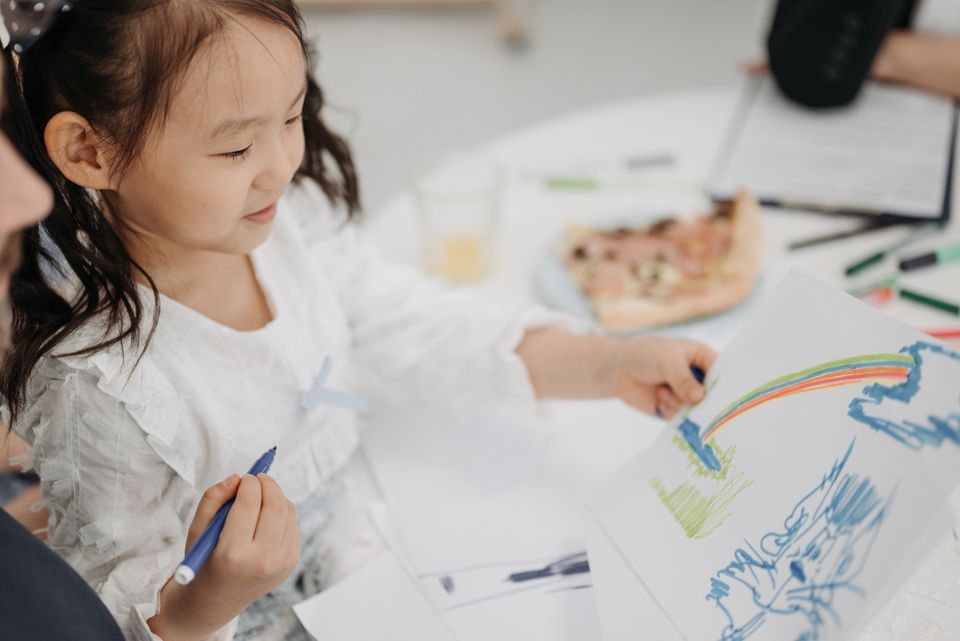
Greater emotional awareness
More confidence expressing themselves
Improved coping skills
Stronger sense of safety and connection
FAQ
No. I do not expect children to immediately talk about their feelings. Many children first communicate through play, and I meet them where they are.
Play Therapy is often most helpful for younger children, although the specific approach depends on each child's developmental needs.
Parents play an important role in a child's growth. I will communicate with parents about general progress and provide guidance on ways to support children's emotional development at home.
Wondering if Play Therapy may be a good fit for your child?
Every child has their own way of expressing what they feel. If you would like to learn more, I welcome you to start a conversation with me.
Free Consultation → Download program poster →