Finding your place among peers shouldn't feel like an impossible puzzle.
Through the PEERS® for Teens program, I help adolescents learn practical social skills through structured lessons, role-play, and real-world practice.

Evidence-based social skills for real life.
PEERS® is an evidence-based program developed at UCLA. It teaches practical social skills through direct instruction, discussion, role-play, and real-life practice, focusing on the situations teens experience every day.
Why social skills training?
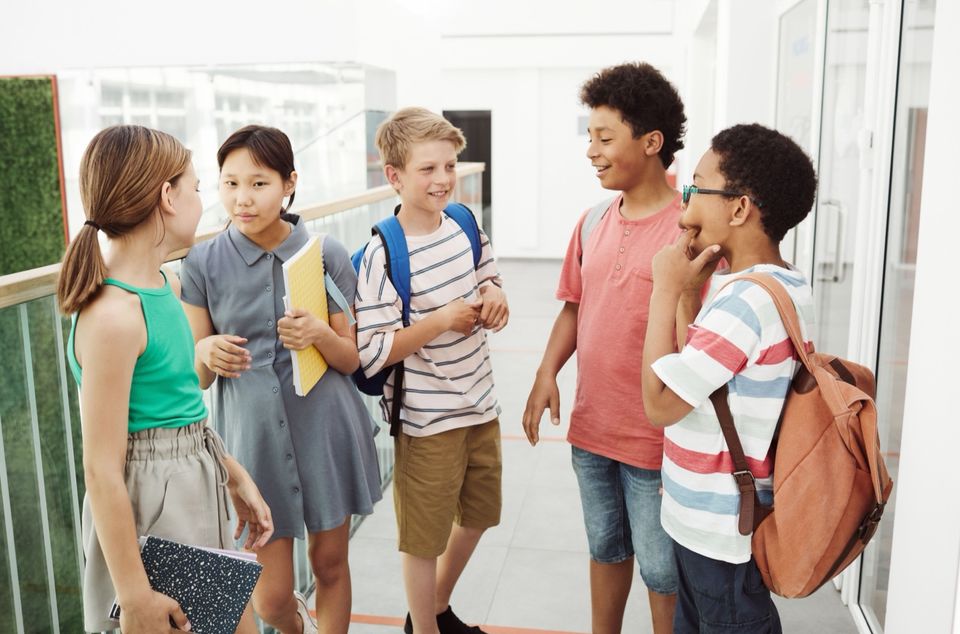
Some teens understand what they want to say but find social situations difficult to navigate. PEERS® breaks down complex social situations into clear steps, giving teens practical tools they can practice and use.
Five ways we practice together.
Direct Instruction
Clear explanation of social rules and strategies.
Discussion
Interactive conversation about real social situations.
Role-play
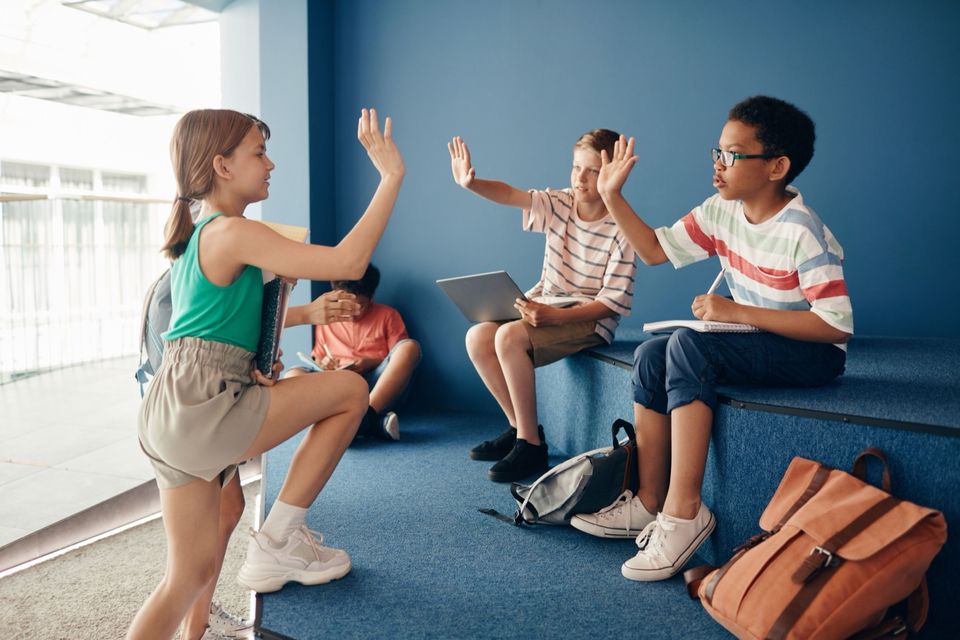
Practice scenarios in a safe, supportive environment.
Behavioral Rehearsal
Repeat and refine skills with coaching feedback.
Real-life Practice
Apply what you learn to everyday situations.
A structured curriculum, one skill at a time.
Each week focuses on specific social skills that help teens build stronger friendships and navigate everyday social situations.
Phase 1 · Building Conversation Skills
Phase 2 · Building Social Confidence
Phase 3 · Navigating Complex Situations
Phase 4 · Navigating Difficult Situations & Finding Support
From first conversation to lasting skills.
Connection & Motivation Check
Meet with the teen to understand their goals and personal motivation to participate.
16 Weeks of Guided Learning
Weekly 60–90 minute sessions with instruction, role-play, and group activities.
Interactive Practice Cycle
Repeated practice with coaching feedback until skills feel natural in real situations.
Parent Connection
Regular updates and practical strategies to support skill practice at home.
Real-life application.
The goal is for teens to learn and own their own "social toolkit," so they can make friends and build lasting friendships at school and in everyday life. Through regular parent feedback and communication, we also provide families with detailed, step-by-step support strategies, helping parents understand how to support and guide their teen in real-life situations as they continue to develop and use the social skills they have learned.
FAQ
No. PEERS® is a structured social skills curriculum focused on teaching and practicing practical relationship skills.
Yes. PEERS® was developed at UCLA and is a research-validated, evidence-based social skills program, and is one of the most widely used and recognized social skills interventions internationally.
Motivation matters. PEERS® works best when teens are willing to participate, practice, and apply new skills.
Counseling focuses on emotions and personal experiences. PEERS® focuses on learning specific social strategies and practicing them in realistic situations.
Wondering if PEERS® for Teens is right for your child?
Contact me to learn more about the program structure and upcoming groups.
Free Consultation → Download program poster →